Free Robux promises often sound easier than they are, but legitimate progress begins with creating something other players genuinely want to use. Roblox does not need to be treated like a prize machine; it can be a place to learn design, scripting, testing, and responsible digital business while building original experiences.
This route is slower than an instant reward claim, yet it gives beginners useful control over their results. By learning Roblox Studio, planning a small idea, and improving it through feedback, you can build skills that support eligible creator opportunities instead of handing over passwords or trusting unauthorized generators.
What Legitimate Robux Opportunities Look Like
Legitimate opportunities start with value, not a button that promises instant currency. A creator may earn Robux through an original experience when players choose approved purchases, such as a useful game pass or developer product, and when the account and content meet Roblox requirements. Results vary, so treat every pathway as conditional.
Check the current creator documentation inside Roblox before designing around monetization, because eligibility, fees, age requirements, and program rules can change. Keep expectations realistic: a finished game can earn nothing, while a modest project can teach valuable skills even without revenue. The safest promise is progress you can measure yourself.
Build Skills in Roblox Studio
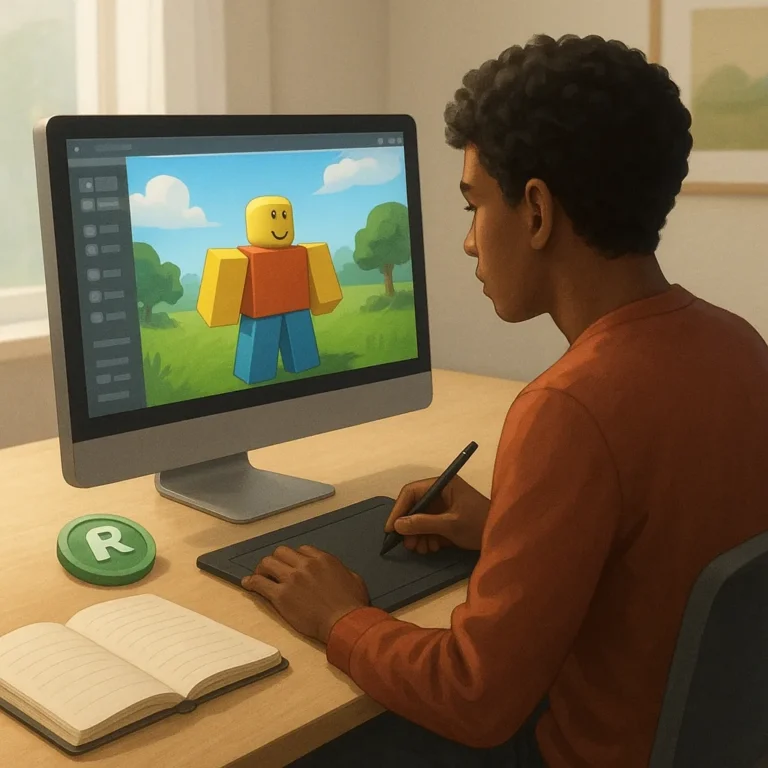
Roblox Studio is the practical starting point for turning an idea into a playable experience. Begin with the interface, parts, terrain, lighting, and simple scripts, then learn how those pieces affect movement and player choices. Small experiments make technical concepts less intimidating and reveal which type of building you enjoy most.
Use tutorials as learning tools rather than templates to copy forever. Recreate a tiny mechanic, explain each step in your own notes, and then change the result until it becomes yours. Practice debugging, naming objects clearly, and saving versions regularly; these habits prevent avoidable setbacks when your project grows more complicated.
Plan a Small Game Before Building
Choose one clear player goal before adding decoration or ambitious systems. A short obstacle course, collection challenge, or cooperative puzzle can teach more than an enormous unfinished map. Write down the goal, the actions players repeat, and the moment that should feel rewarding. This simple plan keeps development focused.
Build the first playable version with only the features needed to test that goal. Ask a friend to try it without explanation, observe where confusion appears, and record what feels enjoyable or tedious. Fixing one meaningful problem at a time creates a stronger foundation than endlessly polishing a screen that players never reach.
Create a Fair Monetization Foundation
Offer Optional Value
If your experience becomes engaging, consider optional purchases that improve convenience or personalize play without blocking basic enjoyment. Explain what each item does before a player confirms a transaction, avoid pressure tactics, and never describe uncertain earnings as guaranteed. Fair choices protect trust and make returning players more likely over time.
Use original artwork, scripts, names, and sounds, or choose assets whose licenses clearly permit your intended use. Do not copy another creator’s popular game or imply an official partnership you do not have. Respecting ownership reduces disputes, strengthens your reputation, and gives players a more memorable reason to support your work.
Keep a simple record of updates, player feedback, and any purchases you add. Review the experience after each release for broken interactions, confusing instructions, or unfair advantages that could undermine confidence. Clear communication about changes signals care, while steady maintenance helps a promising project remain useful instead of becoming a forgotten launch.
Improve the Experience for Repeat Visits
Player retention usually grows from clarity, fair pacing, and reasons to return, not from constant rewards alone. Watch where testers quit, ask what they expected, and compare that expectation with what the game communicates. Then shorten confusing steps, improve feedback, and give returning players a fresh goal that still respects their time.
Use basic analytics or direct observations to learn which areas attract attention and which features cause friction. You do not need a huge audience to find useful evidence; a handful of honest testers can expose a weak tutorial or unclear control. Turn each observation into one specific experiment, measure the result, and keep what helps.
Avoid Scams and Unauthorized Offers
Protect Your Account
Robux generators, login forms, suspicious browser extensions, and promises of secret codes are common warning signs. Never enter your password on a page reached through an unsolicited offer, and never download software that claims to unlock currency. Use account security tools, verify official notices through trusted Roblox channels, and report deceptive behavior when appropriate.
Follow a Realistic Creator Roadmap
Set a manageable weekly routine: learn one Studio skill, finish one small improvement, test with players, and review the results. Repeat that cycle before expanding your scope. Over time, a portfolio of thoughtful updates can lead to stronger experiences and eligible opportunities, while keeping learning, originality, safety, and player trust at the center.