Building a Roblox game becomes more manageable when you treat it as a sequence of decisions rather than one enormous creative leap. A practical roadmap helps you choose a useful concept, test its strongest idea, protect your time, and create a release that can improve with real player evidence.
Progress does not require a viral launch or a huge team. It requires a clear promise for players, a small first version, disciplined testing, and honest communication. By working in stages, you can learn which choices create enjoyment, which problems block retention, and which improvements deserve attention before you spend heavily on promotion or monetization.
Choose and validate a focused idea
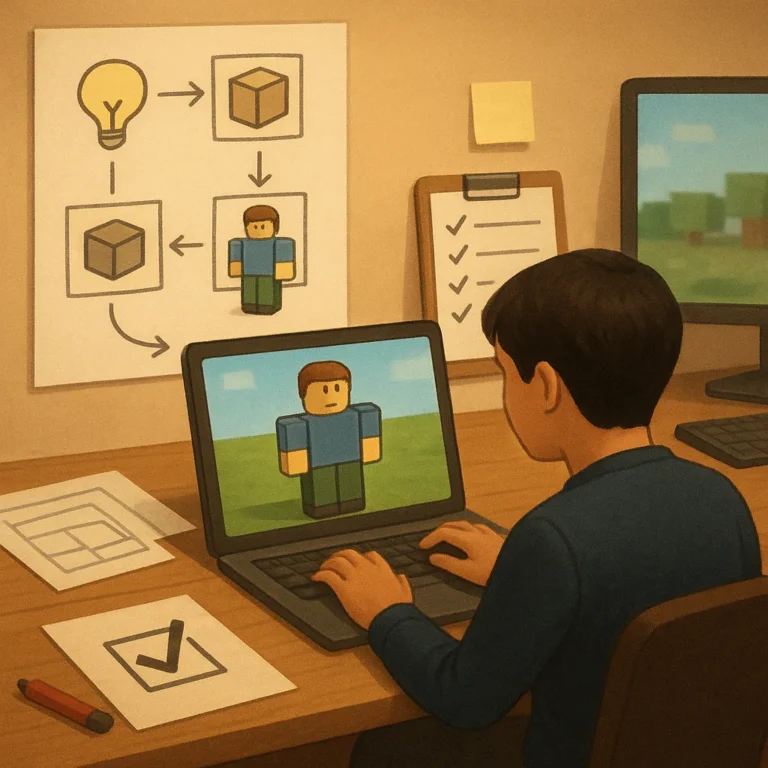
Start by describing the player experience in one sentence: who plays, what they do repeatedly, and why the activity feels rewarding. This statement is more useful than a long feature list because it gives every later decision a reference point. If the promise sounds vague, simplify it until a new player could understand the appeal quickly.
Define the first player promise
Write down the core action, the expected emotion, and the reason someone would return tomorrow. For example, a building challenge might promise quick creative choices followed by satisfying public showcases. Avoid promising endless content at the start; promise one enjoyable loop that works reliably. A narrow promise also makes testing questions easier to answer.
Build the smallest enjoyable version
Turn the promise into a playable slice containing only the systems needed to deliver its main enjoyment. Build one map, one challenge type, or one progression path before adding variety. The goal is not to make the game look finished; it is to discover whether the basic loop feels understandable, responsive, and worth repeating.
Prototype the main loop
Prototype the first minutes with simple geometry and temporary art, because clarity matters more than polish at this stage. Measure how quickly players understand the objective, where they hesitate, and whether the next action feels obvious. Replace complicated systems with direct interactions when possible. A clean prototype exposes design weaknesses before production makes them expensive.
Test mechanics and technical performance
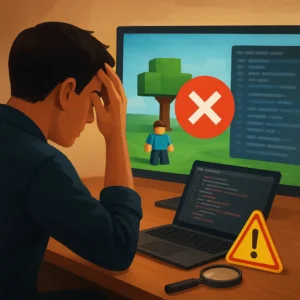
Testing should cover both fun and function. Ask players to complete the main activity while you observe controls, pacing, feedback, and moments of uncertainty. Separately, check loading behavior, memory use, mobile layouts, network conditions, and recovery after errors. A compelling mechanic cannot carry a release that feels slow, confusing, or unreliable.
Check performance before promotion
Use modest hardware and realistic connections during performance checks, not only the computer used for development. Watch frame rate, input delay, memory pressure, and loading transitions during busy moments. Remove unnecessary effects or scripts when they harm playability. Early technical discipline protects your reputation because players often leave before reporting a problem.
Create repeatable tests instead of relying on memory or a single enthusiastic reaction. Record the device, session length, task attempted, failure point, and player comment. Compare results across several people, then fix the most common obstacle first. Keep a short issue list with severity and status so new features do not bury essential repairs.
Launch with clear player expectations
Prepare the launch as a promise you can keep, not a deadline that forces unfinished work into public view. Explain the core experience, current limitations, supported devices, and the kind of feedback you need. A concise description helps the right players arrive with realistic expectations and gives them useful language for discussing the game.
Build a reliable first session
Guide newcomers through their first session with visible goals, readable instructions, and feedback after every important action. Avoid forcing a long tutorial before any meaningful choice. Let players try the central activity quickly, then introduce depth as they demonstrate understanding. A welcoming opening improves learning while giving you a fairer measure of the game itself.
Improve through updates and feedback
After release, choose an update rhythm that matches your capacity and communicate it honestly. Review comments, session behavior, bug reports, and support questions together rather than chasing the loudest request. Group feedback into themes, identify the underlying need, and decide whether a change improves the central promise. Consistency builds trust even when updates remain small.
Turn feedback into a queue
Maintain a prioritized queue with categories such as bugs, usability, content, performance, and experiments. Give each item a reason, expected benefit, and rough effort so decisions stay visible. Revisit priorities after meaningful evidence arrives, but avoid changing direction after every comment. Players appreciate responsiveness most when they can see thoughtful progress over time.
Add responsible monetization after value
Add monetization only after players can enjoy a complete, understandable experience without paying. Match optional purchases to convenience, expression, or expanded content, and explain exactly what buyers receive. Avoid pressure tactics, misleading scarcity, and designs that punish nonpaying players. Track purchases beside retention, satisfaction, refunds, and complaints; treat Robux as a result of delivered value, not the definition of success.