Fair rewards give players a reason to continue without making them feel pressured to spend, grind endlessly, or follow one narrow path. In a Roblox game, the best system connects rewards to meaningful choices, readable goals, and a steady sense of progress. That combination strengthens enjoyment while protecting player trust over time.
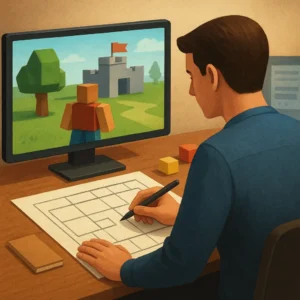
Start by deciding what the reward system should encourage. You might want players to learn mechanics, cooperate, explore optional areas, or return for short sessions. Write those goals before choosing prizes. Clear priorities prevent random bonuses from taking over the design and help every reward support the experience you want players to remember.
Set Clear Goals for the Reward System
Turn broad goals into observable actions. If exploration matters, reward discovering a hidden route rather than wandering for an undefined number of minutes. If cooperation matters, recognize useful team actions instead of awarding identical points for every player. Players should understand which behavior earns progress and why that behavior improves the game for others.
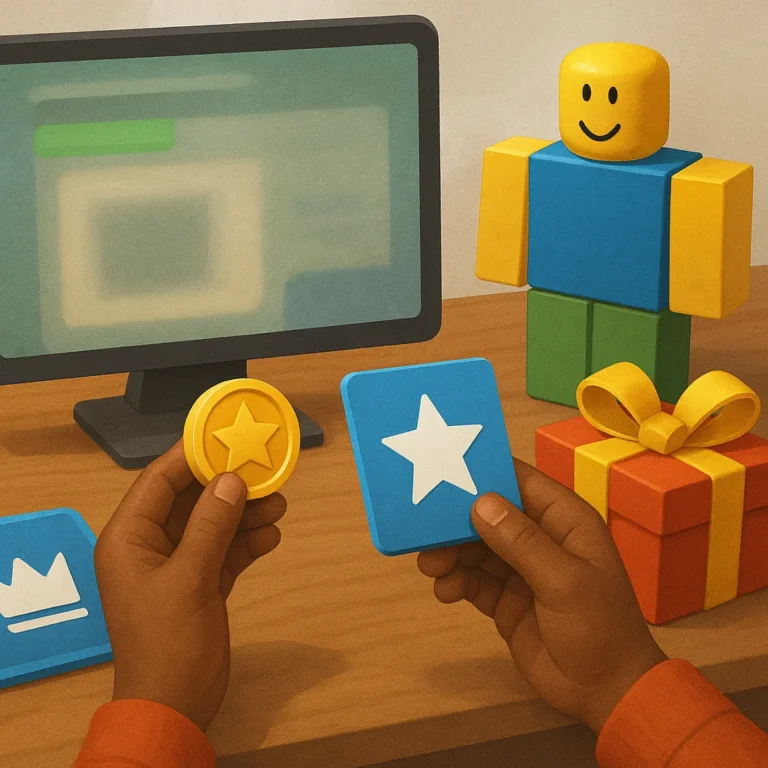
Create a small set of reward purposes, such as learning, mastery, discovery, and social contribution. Give each purpose a distinct signal so players can read the system quickly. A badge, cosmetic effect, unlock, or title can communicate achievement, but the meaning matters more than the decoration. Avoid rewards that obscure the goal.
Balance Effort, Skill, and Progression
Measure Effort and Value
Balance the effort behind a reward with its value and frequency. A small cosmetic item can arrive after a brief challenge, while a powerful ability may require practice and several decisions. The player should feel that success is earned, not extracted. Consistent relationships between effort and value make the system easier to trust.
Use multiple routes to the same meaningful outcome when possible. One player may have time for repeated matches, while another may prefer careful exploration or difficult skill challenges. Offering equivalent progress through different strengths respects varied play styles. It also reduces the feeling that players must copy a single routine to remain competitive.
Separate progress from high pressure competition. Competitive rankings can reward mastery, but they should not be the only way to obtain useful tools or expressive items. Let players improve privately, with friends, or in low risk modes. This approach preserves ambition for competitors while keeping the wider game welcoming to newcomers.
Make Progression Visible
Show players where they stand and what they can do next. A simple progression panel can display completed goals, upcoming milestones, and the choices that lead toward them. Use plain labels, consistent icons, and readable timing. When information is visible, players can plan sessions confidently instead of guessing whether effort is worthwhile.
Give feedback at the moment an action matters. A sound, animation, message, or changed meter can confirm that a player discovered something valuable. Keep these signals brief and consistent, especially during busy moments. Strong feedback teaches the rules without a lecture, and it helps players connect their decisions with visible results.
Avoid Manipulative Barriers
Remove Pressure from the Economy
Avoid withholding basic comfort behind repeated delays or confusing purchases. Limited choices can create interest, but severe friction often feels like punishment rather than progression. Let players understand what is available, how long it takes, and whether an alternate path exists. Transparency gives players control, even when some rewards remain intentionally rare.
Be careful with random rewards that affect power. Surprise can add excitement for harmless cosmetics, yet uncertainty becomes stressful when players need a particular ability to participate. Publish useful odds when randomness is present, provide pity or exchange options, and make steady progress possible. Fair alternatives keep chance from becoming a wall.
Protect new players from falling permanently behind. A catch up mission, return bonus, or flexible milestone can restore progress without erasing the achievement of regular players. Avoid selling relief from problems the reward system created itself. If the game respects time, players can leave for a while and return without feeling punished.
Test Reward Pacing with Real Players
Observe Behavior, Not Just Opinions
Test the first version with players who represent different experience levels. Watch where they hesitate, what they ignore, and which rewards change their behavior. Ask what they expected before explaining the intended design. Direct observation often reveals unclear goals or tedious steps that a survey misses, particularly when players adapt quietly instead of complaining.
Compare reward timing across several sessions rather than judging one dramatic moment. Track when players quit, return, cooperate, explore, or repeat the easiest task. If nearly everyone chooses the fastest route, the reward may be overpowering alternatives. If progress stalls after a milestone, inspect the next requirement before adding more prizes.
Run small experiments with one variable at a time. Change a reward amount, a milestone distance, or a choice of prize, then compare behavior with the previous version. Keep a record of the change and its likely effect. Controlled tests make balancing less emotional and show whether improvement comes from fairness or simple novelty.
Adjust Rewards Using Feedback
Keep the System Accountable
Publish what you change and explain why the change helps. Players may disagree with a balance decision, but they respond better when the reasoning is visible and the next review is possible. Revisit rewards after updates, watch long term effects, and remove options that create pressure. Fairness is an ongoing practice, not a launch promise.