Roblox creators often choose between game passes and developer products when they design a revenue plan. Both can support a strong experience, but they answer different player needs. One usually grants lasting access to a feature, while the other supports repeatable purchases. Start by matching the offer to your game’s actual design.
That distinction matters because convenience and value are not the same thing. A permanent unlock can make exploration feel deeper, whereas a repeatable purchase may help players respond to changing situations. Compare the timing, frequency, and emotional effect of each offer before adding it. Thoughtful choices protect trust and keep monetization connected to play.
What a Game Pass Provides
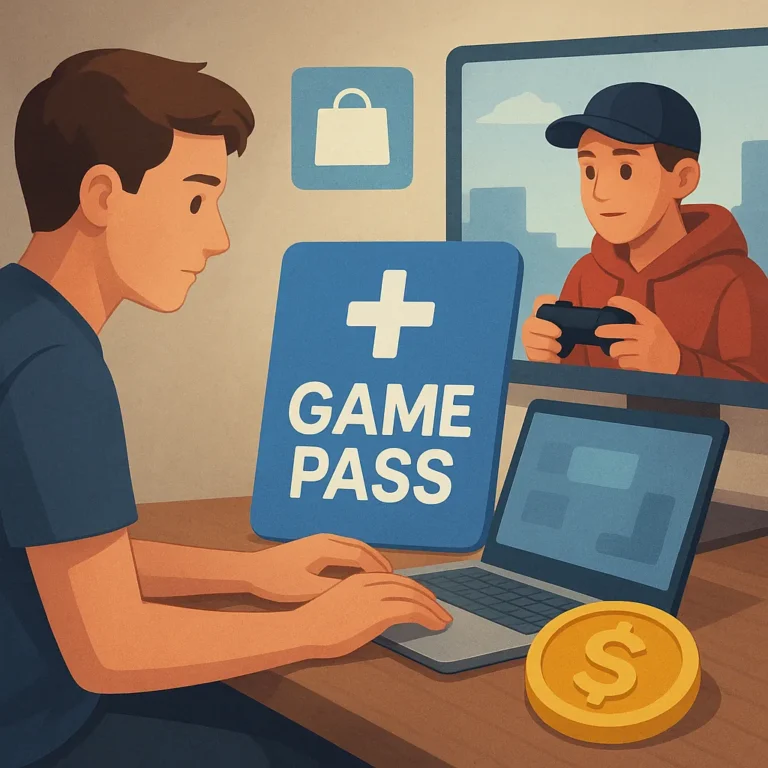
A game pass is best understood as a persistent entitlement tied to a specific experience. After a player obtains it, the intended benefit remains available whenever that player returns, provided the experience still supports the feature. This model suits access, convenience, identity, or status benefits that make the world feel broader without requiring repeated payment.
Permanent Access, Carefully Framed
Useful pass benefits might include a private area, an additional building tool, a cosmetic collection, or a convenience feature that saves time without removing meaningful play. Explain exactly what buyers receive and where the benefit works. Clear descriptions prevent disappointment, especially when a pass changes access rather than granting unlimited power or guaranteed success.
What a Developer Product Provides
A developer product is designed for a purchase that can happen again during an experience. Its purpose may be immediate help, a temporary boost, a bundle of usable items, or another consumable outcome. Because players may return to the offer, creators must make each transaction understandable, optional, and useful within the surrounding gameplay.
Repeatable Does Not Mean Required
Repeatable offers need a stronger rhythm than permanent access because their value is judged each time a player considers buying. A revive, resource pack, or event item can feel fair when it saves a moment without making ordinary progress frustrating. Keep alternatives available, show the result clearly, and avoid pressure that turns choice into obligation.
Compare the Two Monetization Paths
The main difference is the life of the benefit. A pass generally supports one durable promise, while a developer product supports an action or resource that may be consumed, refreshed, or purchased again. That difference affects pricing logic, interface placement, support questions, and the way players evaluate whether an offer belongs in the experience.
Use passes when the player should feel ownership of an enduring feature, and use developer products when the player needs a repeatable option during play. The categories can work together, but their purposes should remain distinct. A pass might unlock a new role, while a product supplies a temporary resource that supports one challenging session.
Let Player Intent Guide the Choice
Ask what the player is trying to accomplish before selecting a purchase type. Someone exploring a social role may appreciate permanent access, while someone facing a short challenge may prefer a clearly priced consumable. Map the offer to that intent, then test whether the wording communicates the benefit without exaggeration, hidden conditions, or confusing overlap.
Design Fair Player Value
Fair monetization begins with a game that remains enjoyable before any purchase appears. Give players a reliable core loop, readable goals, and meaningful ways to progress through play. Then make paid options add flavor, convenience, or alternate expression rather than repairing an artificially damaged experience. Value should be visible without becoming a barrier.
Test the offer from a new player’s perspective and from a returning player’s perspective. Can both people understand the benefit, its duration, and its limits in seconds? Check whether the purchase changes competition, cooperation, or access in ways that could surprise others. If the answer is unclear, simplify the offer before increasing its visibility.
Read the Offer Before Publishing
Write the purchase description before you build the final presentation. State the benefit, timing, limitations, and any required player action in plain language. Review every claim against the actual implementation, including what happens after a reset, a return visit, or an interrupted transaction. Accurate copy reduces confusion and support problems later.
Run a small review with people who did not create the feature. Ask them to explain what they think they receive, when they would use it, and whether they feel comfortable declining it. Watch for guesses caused by vague labels or crowded prompts. Their questions can reveal design issues that analytics may not show.
Track Experience, Not Just Revenue
After release, compare purchase behavior with player health signals such as session length, return visits, completion, and feedback. A successful offer should earn attention without weakening the reasons people came to play. Look for sudden confusion, abandoned sessions, or complaints about pressure. These signals can guide revisions before a small problem becomes a defining reputation.
Choose the Right Fit
Choose a game pass for a durable feature that players can understand as ownership, and choose a developer product for a repeatable action with clear limits. In both cases, protect the core loop, explain the exchange, and test the experience honestly. The strongest monetization feels like an invitation, not a toll placed across play.